
Background
The Birth of the Muscle Car Era The muscle car era began in the early 1960s, when American automakers realized there was a growing appetite for speed and style at an affordable price. Pontiac’s 1964 GTO is often credited as the first true muscle car — a midsize coupe fitted with a powerful V8 engine […]
The Birth of the Muscle Car Era
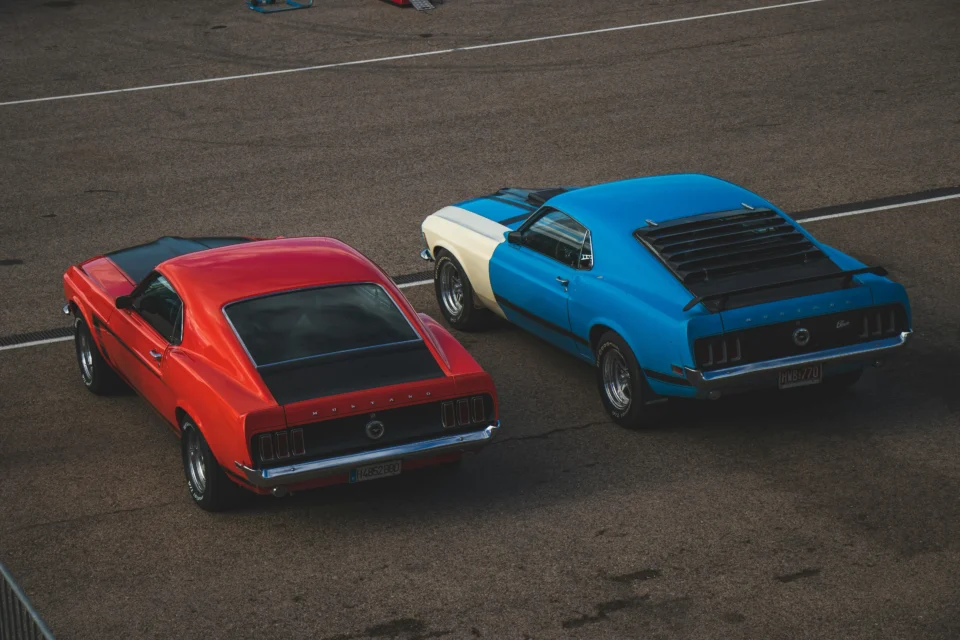
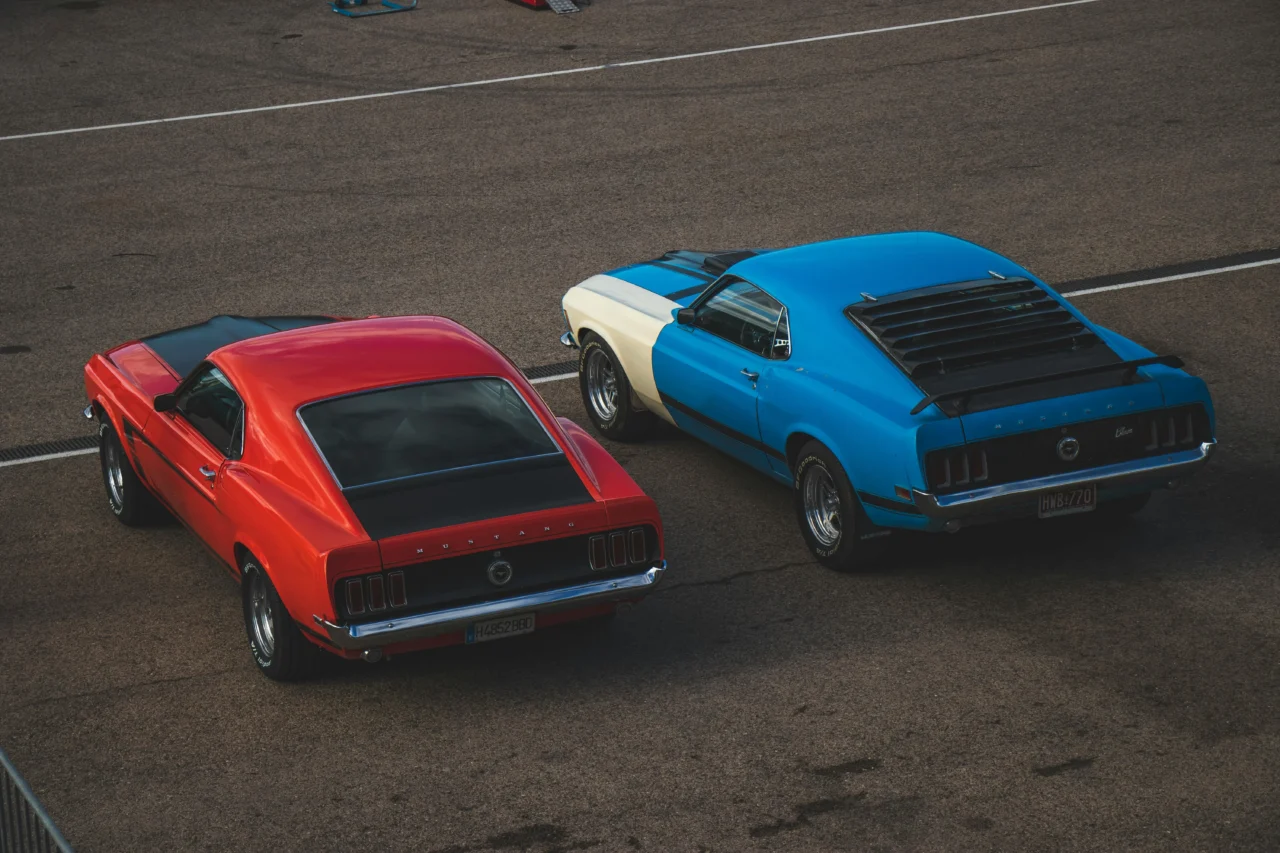
The muscle car era began in the early 1960s, when American automakers realized there was a growing appetite for speed and style at an affordable price. Pontiac’s 1964 GTO is often credited as the first true muscle car — a midsize coupe fitted with a powerful V8 engine and marketed directly to younger drivers. It set the stage for other brands like Ford, Chevrolet, and Dodge to follow with their own high-performance models that emphasized raw horsepower and straight-line acceleration.
Golden Age of Power
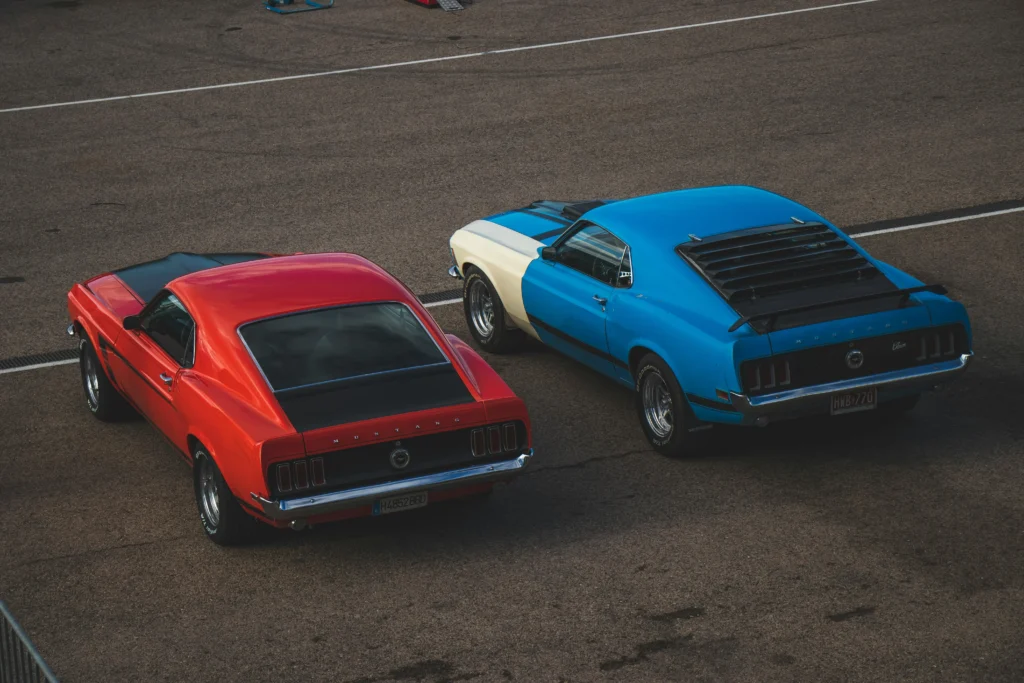
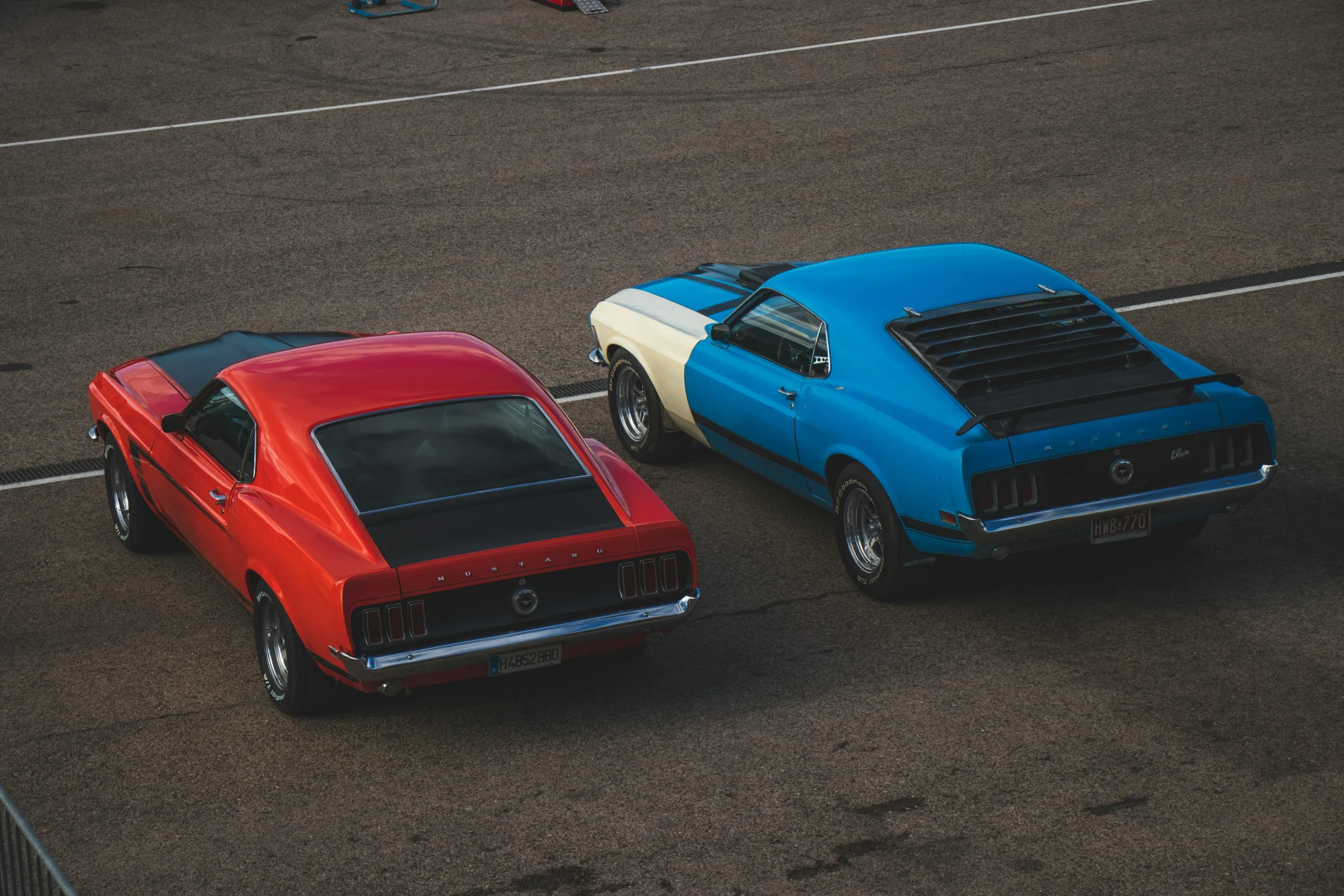
By the mid-1960s through the early 1970s, muscle cars became symbols of American automotive culture. Models like the Chevrolet Chevelle SS, Dodge Charger, Plymouth Road Runner, and Ford Mustang defined the era. Manufacturers competed fiercely to produce the most powerful engines and boldest designs, resulting in legendary V8s like the 426 Hemi, 454 LS6, and 429 Cobra Jet. Muscle cars became a fixture at drag strips and car shows, embodying the freedom and rebellious spirit of the time.
Crisis and Decline
The early 1970s brought challenges that nearly ended the muscle car movement. New emissions regulations, rising insurance premiums, and the 1973 oil crisis made high-performance vehicles impractical. Automakers were forced to detune engines and shift focus toward economy and safety. By the mid-1970s, the once-dominant muscle cars had either disappeared or evolved into milder versions of their former selves, leaving enthusiasts nostalgic for the golden days of unrestrained horsepower.
Rebirth in the Modern Era
In the 1980s and 1990s, performance slowly returned thanks to advances in fuel injection and computer-controlled engines. Cars like the Buick Grand National, Ford Mustang 5.0, and Chevrolet Camaro Z28 reignited interest in performance driving. By the 2000s, the muscle car had fully rebounded with the reintroductions of the Dodge Challenger, Chevrolet Camaro, and Ford Mustang — each blending retro design with modern technology and efficiency.
Legacy and Influence Today
Modern muscle cars continue to evolve with supercharged engines, track-ready suspensions, and advanced electronics. Yet, their spirit remains unchanged: attainable power, aggressive styling, and a visceral driving experience. The influence of the original 1960s muscle cars can still be seen not only on American roads but in global automotive design and culture, symbolizing freedom, individuality, and the timeless pursuit of performance.